I went out and finished the Orchard pasture fence (almost). I installed a couple more panels over the front creek so the sheep could not just jump across and head out. The metal fence stays needed to be installed for half the fence, so I did that while I was over there. The only thing left on that fence (besides repairing all the old fencing) is to install the people gate at the far end. I have the people gate, I just need to get down there with it and get it installed. I also want to drop a couple of boards across the front creek so you can cross over down there.
Since I was out and about I went down to check on the irrigation pump and pipe. I had talked to Annmarie about installing rolled poly from the pump all the way around the outside of the property. I was told that if we are going to pressurize it then we needed to use rigid pipe. Well three inch rigid pipe goes for $1.68/ft. That is crazy and then I still have to dig the channel and bury the stuff, install risers and then blow it out in the winter. No thanks. So Annmarie suggested that I just use the aluminum pipe that is on the property. I always thought it was pretty beat up, but I went down and looked at it. I can get 30 decent 40 ft sticks of 3 inch piping. So for those laymen, I can run 1200 feet of pipe or almost a quarter of a mile (100 feet short, 3 more sticks). This is a lot of pipe. The only thing we will need to purchase is a few 3 inch T’s and some more end caps. I could not find any fittings for the pipe. I will need to get a couple more boards for the irrigation pump to sit on, the ones that are currently holding the pump and motor out of the water have holes and are rotted. The replacement boards need to be 3 in thick x 12 in wide x 9 ft long and I need two of those. I have decided to use the blog as a record for different things so I will be putting in some facts that we can return to later for our purposes. The irrigation pump is a Rainflow model 1.5W-5-2 serial# 6518 5 7/8. The motor is made by Cornell Manufacturing Co in Portland, OR it is a GE induction motor. The starting number on the electical meter is 41007 (we are not sure how much it is going to cost us to run the pump for the entire summer). I chased four different baby deer and one mother deer out of the lower pasture on the way to the sprinkler pipes. They all had spots still.
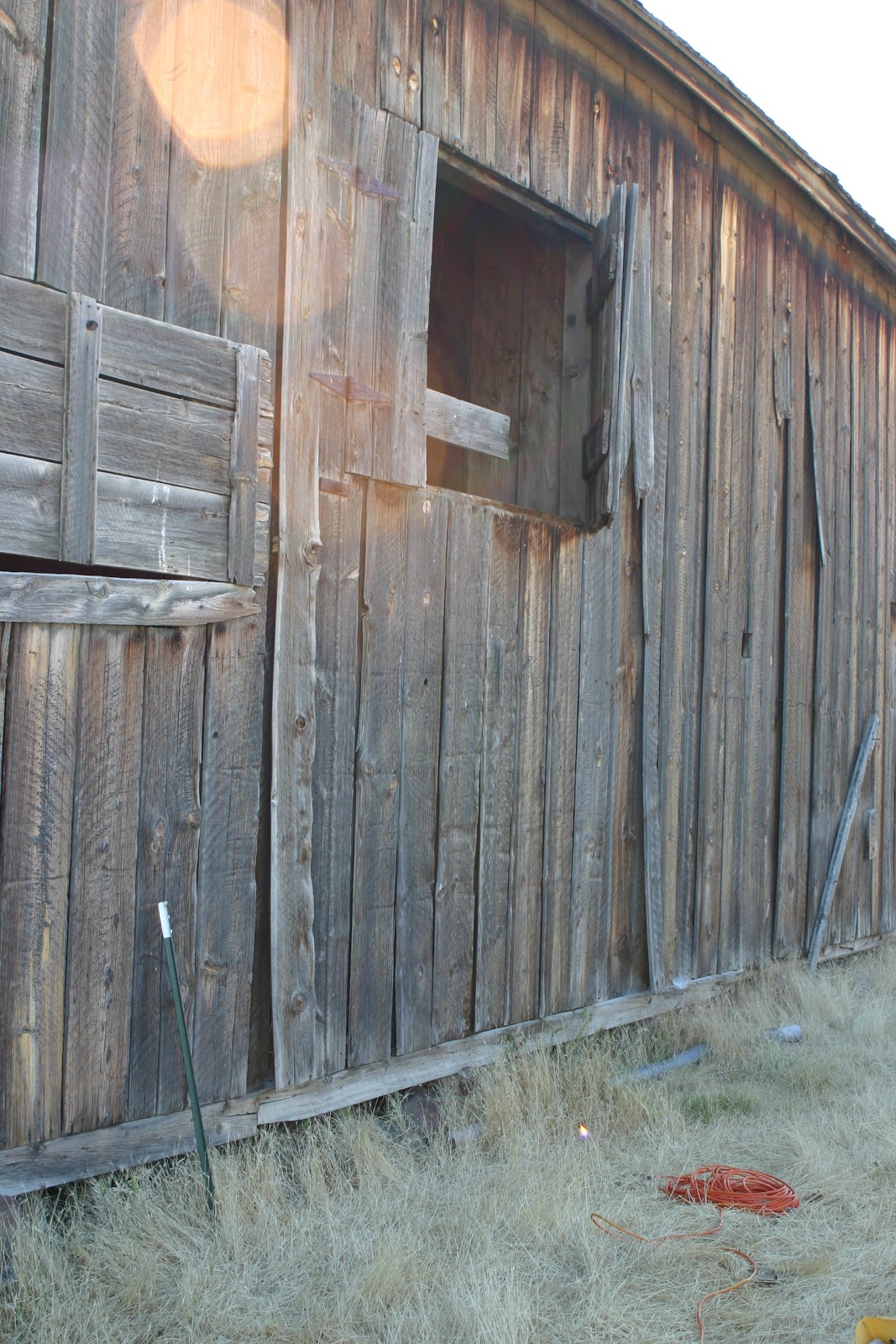
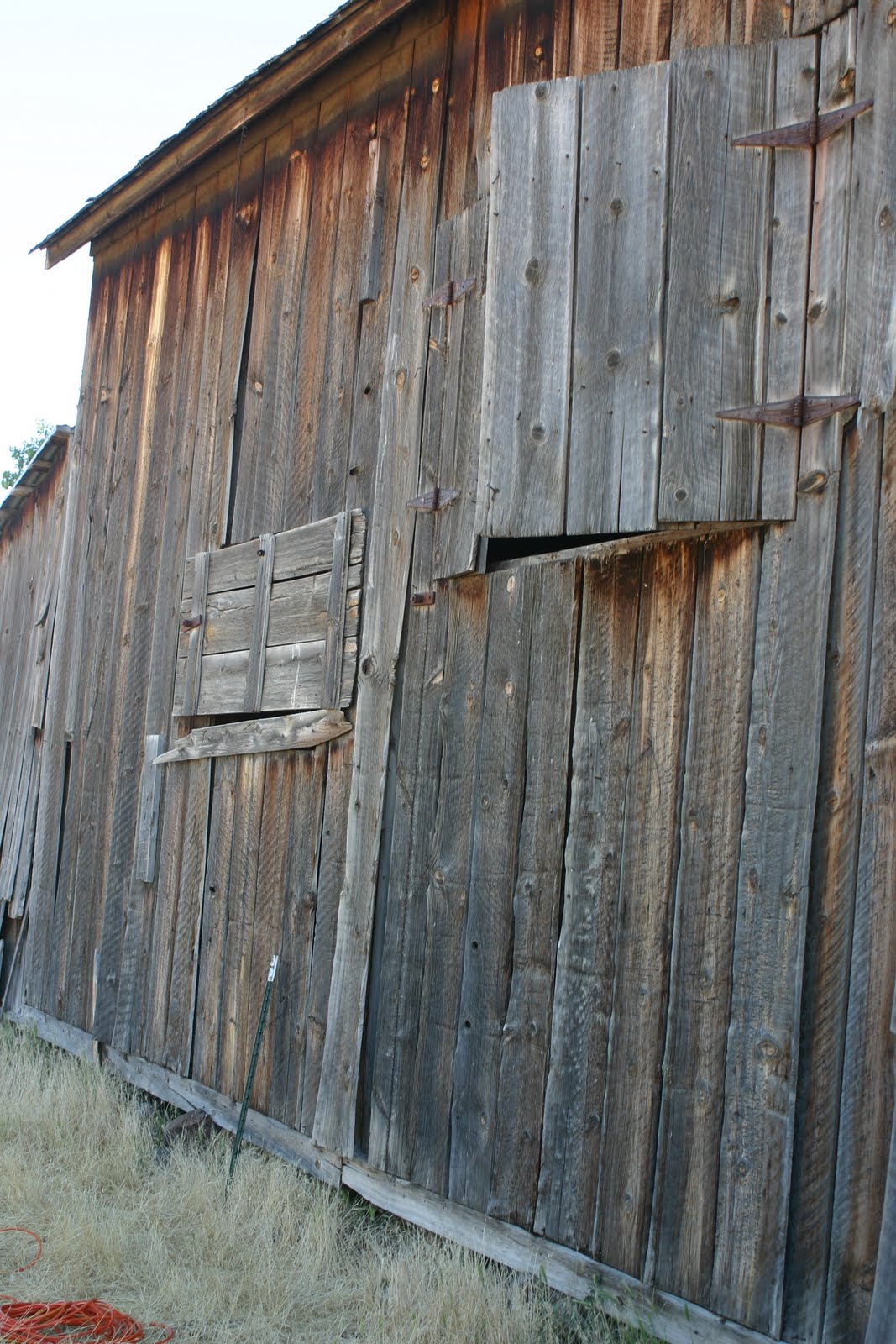
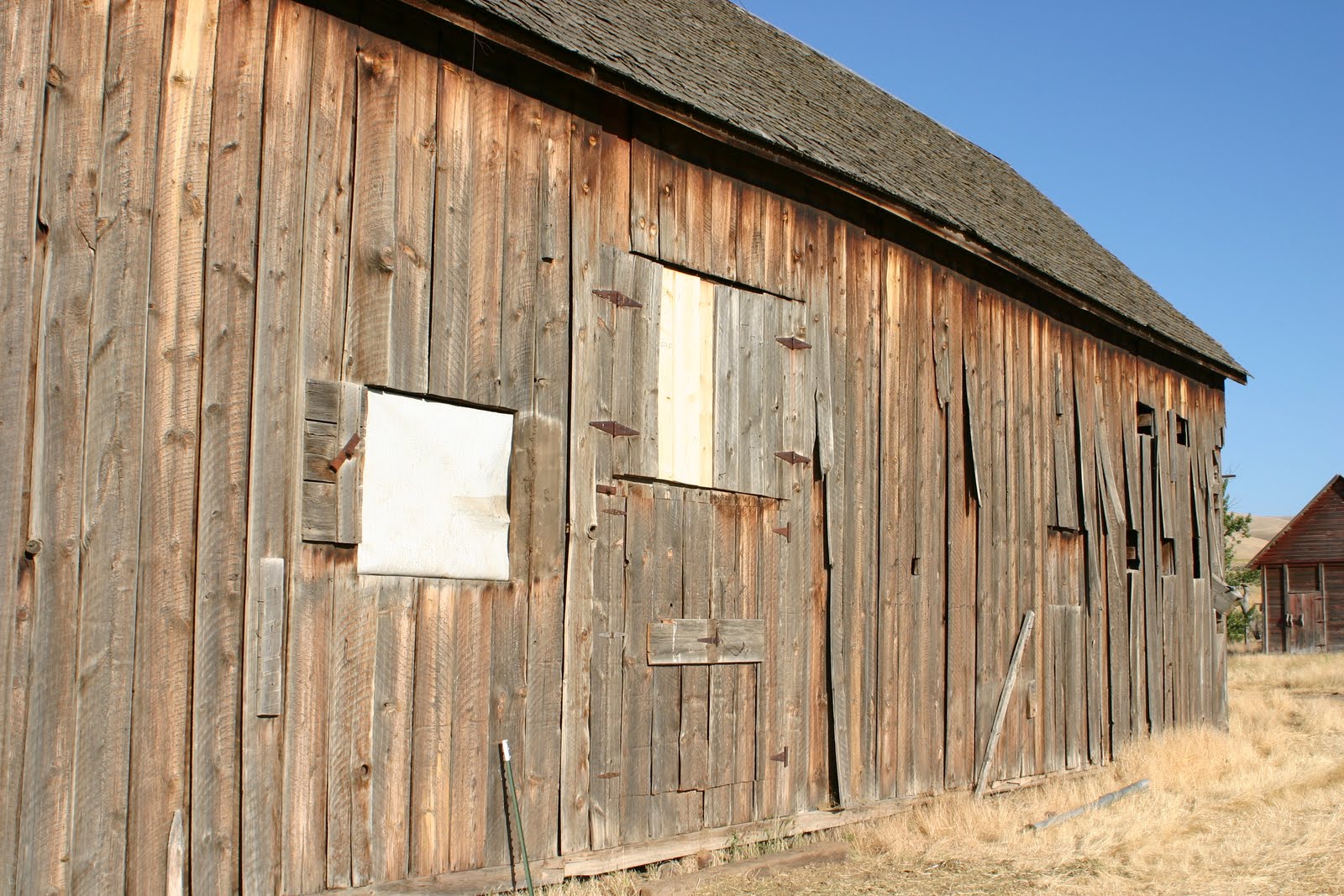
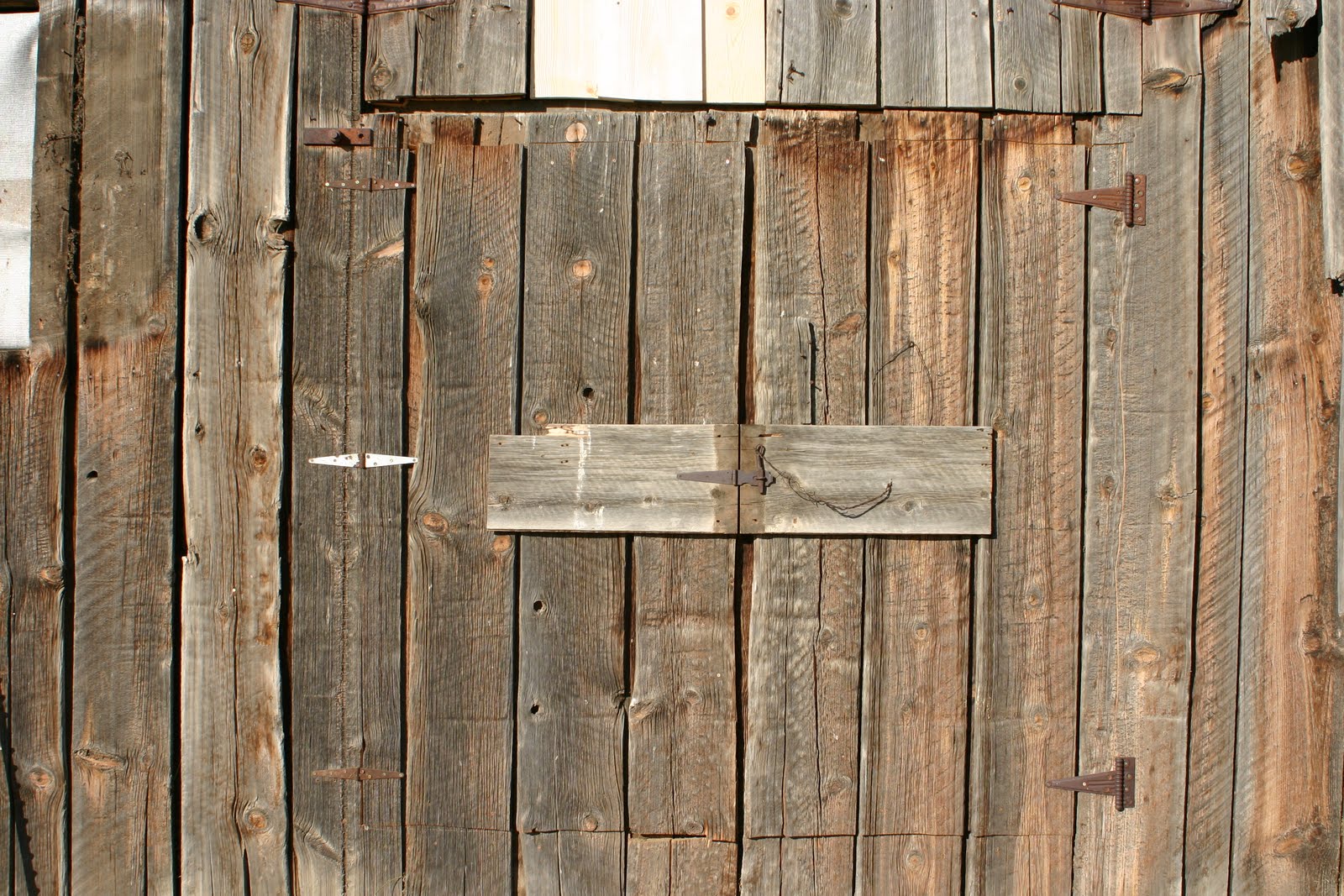
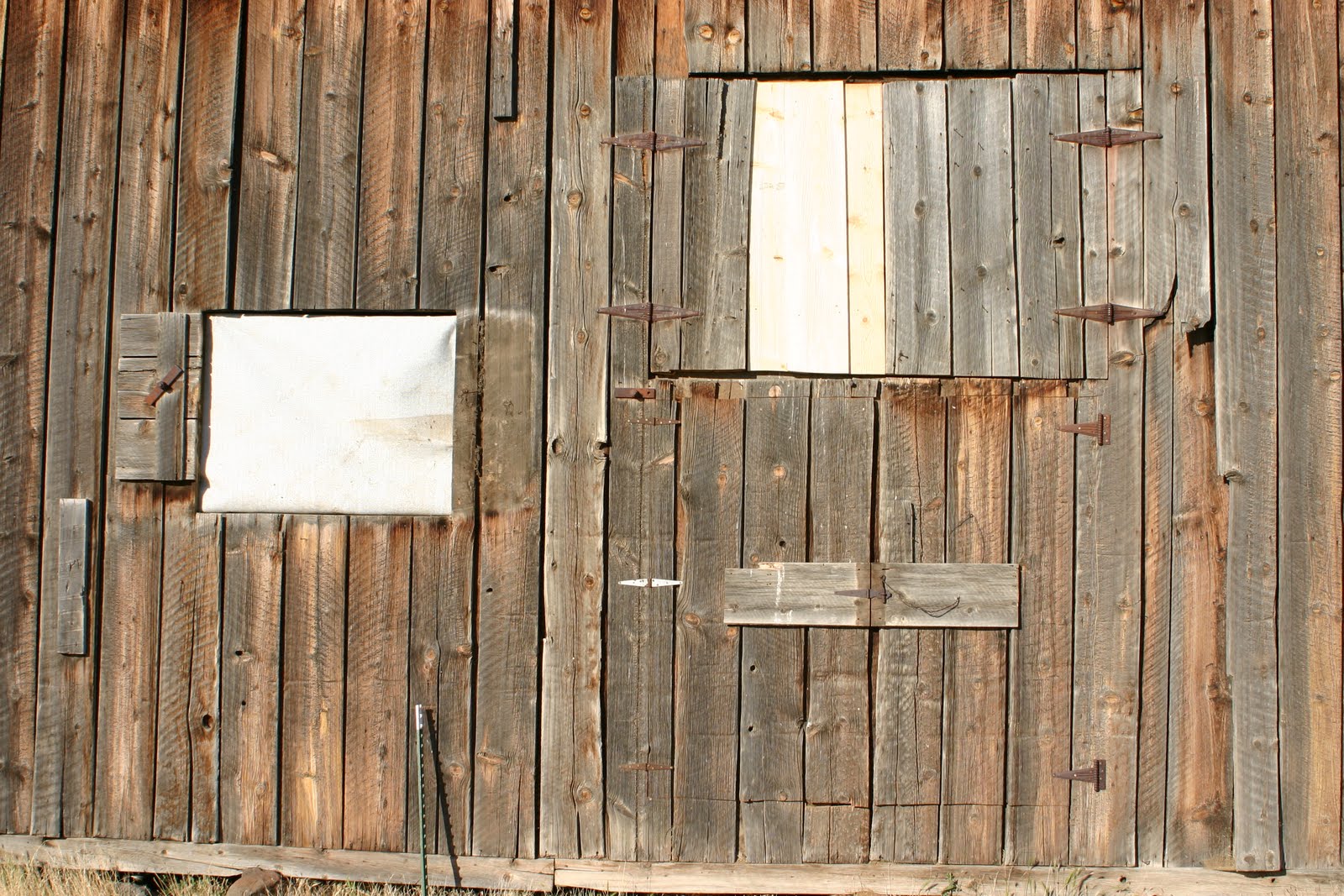
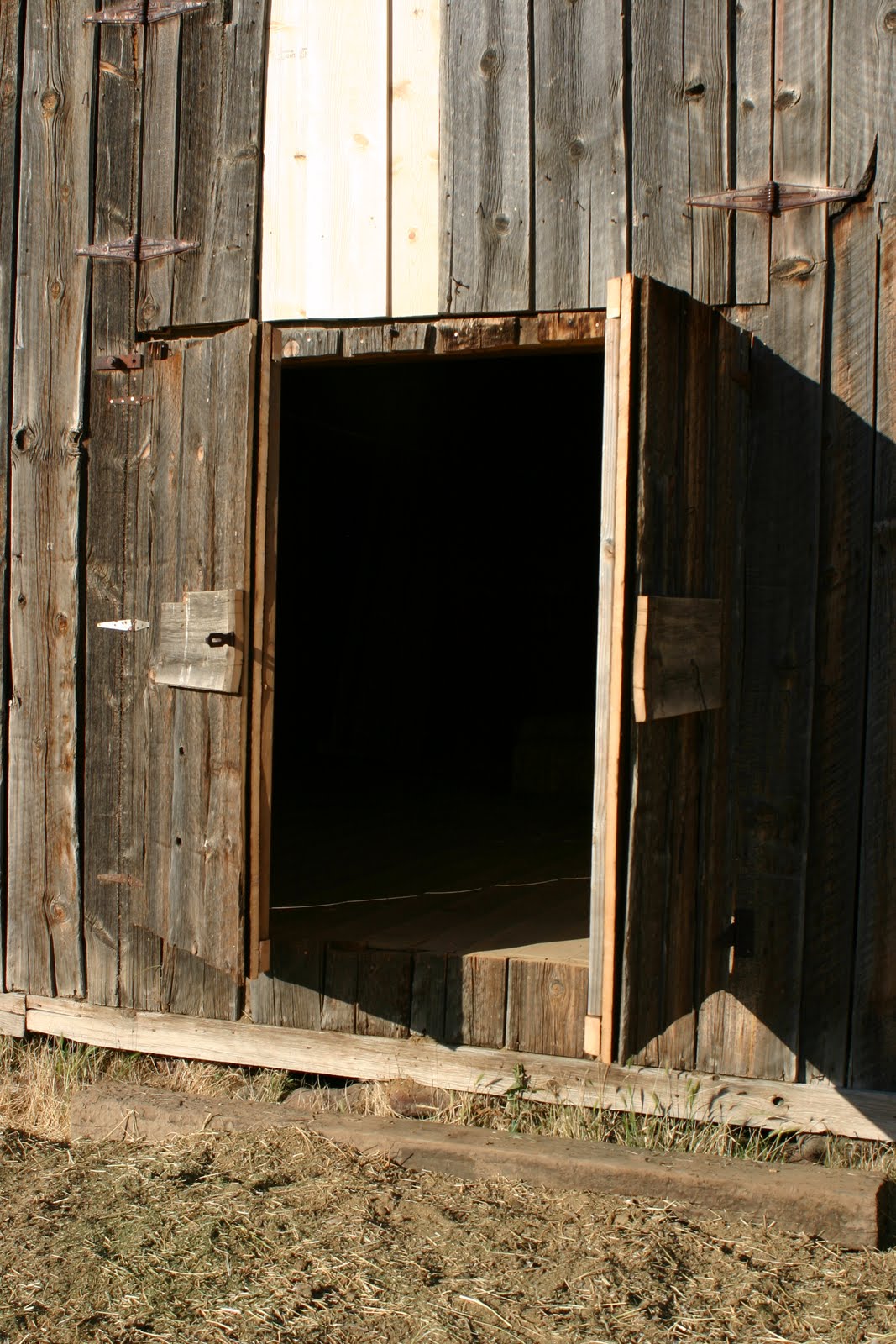
I went to the barn next. Not sure why I felt the need to get out there and measure everything today. Annmarie and Sarah are at school most of the day and I was on my own. After working on the barn this weekend I am stoked to get it back in working order. I went out with a tape measure and actually measured the rooms in the barn. We had always been guessing at the size of the barn. I have clarity now. The barn is approximately (all measurements are subject to 1 -2 foot differences, there are three walls inside with each one being 6-8 inches wide) 65 feet long and 40 feet wide (2600 square feet), the walls are 18 feet high with the roof peak at 25 feet. About half the barn was used as hay and grain storage that section is 22 feet wide with 18 feet walls and a 25 foot peak. The animal section of the barn is a lean-to affair attached to the 18 foot wall and extending out almost 22 feet. The outer wall has the lowest walls and those are around 8 feet tall.
The grainary is located on the front of the tall section and is composed of three rooms in a 20 ft long by 22 ft wide section. That space is divided in half with the larger half being near the center of the barn (Annmarie’s future tack room and storage room for sheep tools). The dimensions for this room are 8.7 ft wide x 13.75ft long. The other half of the grainary has two silos, the smaller silo is about 25% of the space and is located on the two outside walls. I have no idea what we are going to do with an L shaped room. We talked about leaving one of the grainaries intact in case we decided to start feeding grain in the future. I found a couple of grain augers and one of them is electric. These rooms have cable running through them in both directions to prevent the walls from moving. I am going to take out about half of the cables but think I should leave the others. The barn is still standing because it is over built. It has far more lumber in it than is needed, but I don’t want to be the cause of its downfall. I want to add a roof to the 50% grain bin around 8 feet off the floor. I figure I can use the concrete forms (leftover in old grainary) (2ft x 8 ft made out of 2×4 and faced with 3/4 inch plywood) as a ceiling/floor. I will bolt the forms together and have them sitting on 2 x 8s. I want to store my extra lumber above the tack room but now that I think of that it does sound risky. How about I store the lumber in the L shape grainary? That sounds much better. I will still put a roof on the tack room and some stairs leading up to it but I will put something else up there. We could store all the other barn stuff that is scattered throughout the farm.
The next room in the tall section of the barn is a hay storage room. It is 18 1/2ft wide by 22ft long. There is a 7.5ft x 5.75ft section missing out of the front corner for an access room to the hay and grain. I think I will take out this or shrink it down. This room has no outside access. It still needs a door put in. Unfortunately, I have to take out a large beam to add a door. I have resigned myself to this fact already. Otherwise, getting hay in here is going to be very very labor intensive. This one room can hold over 900 bales of hay if I take out the little access room. Rough guess of 24 bales to a ton that is about 38 ton per hay storage room or 76 ton for the barn. More if I stored hay above the tack room in that space I have not used up yet! Maybe 90 ton if I stretched it. I have plans for putting up a walkway above the animals to store hay so that you can just walk along and cut open hay bales and drop it down a chute to have it show up in the sheep feeder. So morning feedings would be a 15-20 minute affair even for a few hundred sheep (FYI 2% of animal’s weight must be fed daily during winter. Our sheep weigh about 120# or 2.4 pounds of feed per each sheep. So 100 sheep would need to be fed 240 pounds of feed or approximately 3 bales of hay). I figure I can store about 60 bales on the walkway, so I will only need to wrestle the hay monthly. So I would need to feed for 4-5 months out of the year, for guesswork I will use 140 days for the length of winter. For every 100 sheep I would need 420 bales of hay to get through the winter. So the barn could hold enough hay for 400 sheep but with babies and such I would say no more than 300 ewes or 1260 bales (51tons of hay) or about $6000 in feed. I kinda got off on a tangent there.
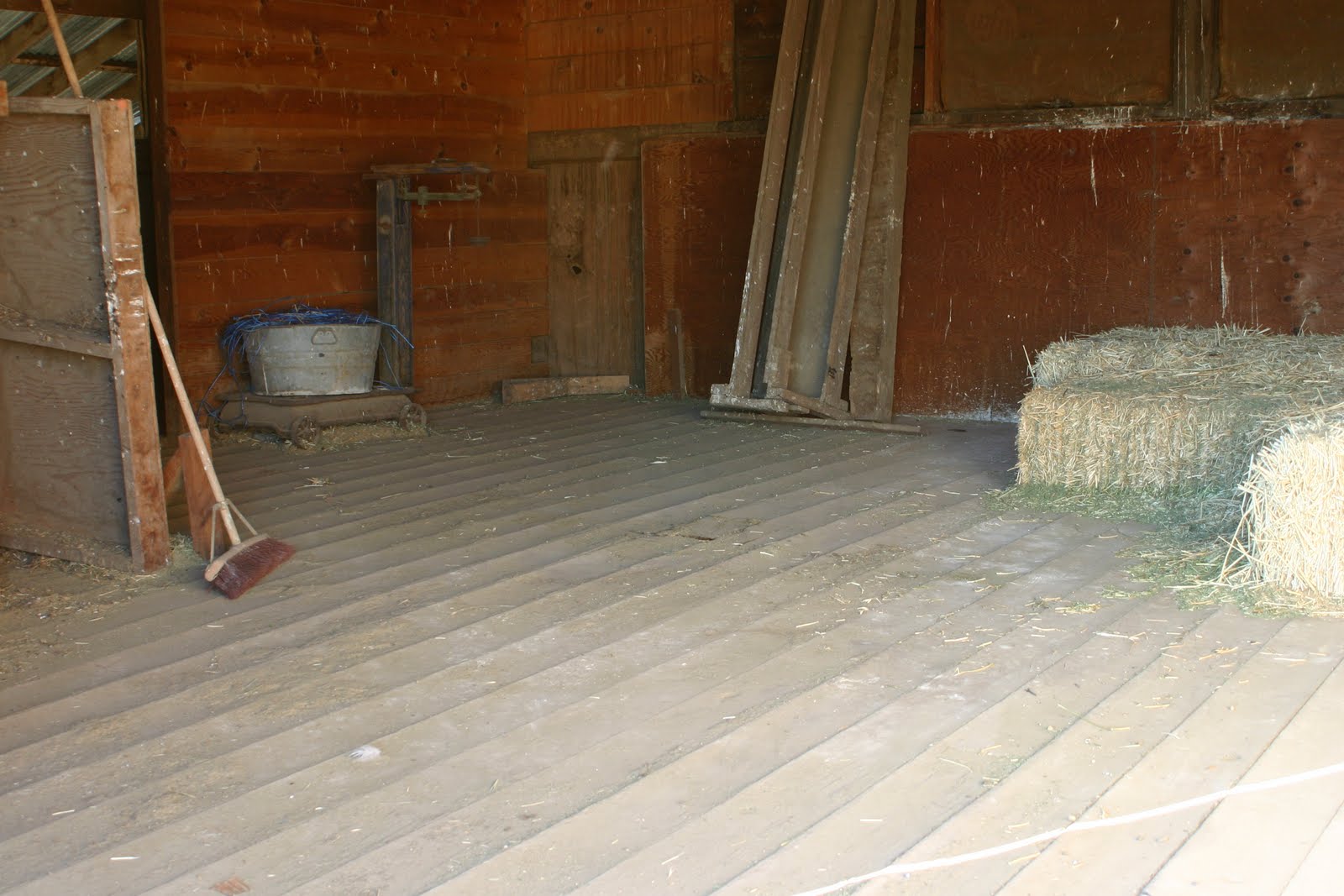
The other hay storage room is 18.5 ft wide by 22.5 ft long. There is a smaller overhang in this room of approximately 4ft x 8 ft long against the inside back wall. These little overhangs were built because the hay used to be dropped loose from the ceiling through the turbinators and settle onto the floor. This made it possible to go into the room and just pitchfork from the opening. Otherwise, you could not open a gate to get into the room. The two hay storage rooms have a dividing wall that goes all the way to the low rafters (18 ft).
The animal section is 21.5 ft wide x 65 ft long. It has a small corner missing near the granaries of 6.5 ft wide x 20 feet long. I think I will shrink that space up and add the stairwell here to get up to the overhead feeding system. I still need to add some windows for lighting purposes. Once I get all the openings closed back up again it is going to be dark in the barn. I have been collecting old windows for just this purpose.
I did manage to get the new chicken butler installed today. I was sent a replacement for the first one not working. The guy has already made several new improvements to the door in the last three months. I have it set so the door opens in the morning when the light sensor senses light, but the door only closes at night by the timer I have set. This solves lots of problems, now we will see if it works.

 Stewart Creek Somethings